Prediction markets compliance is quickly emerging as a new risk area across financial services, and most firms are not prepared for it. Platforms like Kalshi and Polymarket have moved into the mainstream, allowing users to place real-money bets on interest rate decisions, earnings outcomes, economic data releases, and geopolitical events, all from their phones. What was once niche is now accessible, liquid, and increasingly relevant to how markets interpret information. As adoption grows, this activity is starting to intersect directly with how firms think about employee trading, disclosures, and oversight.
A Familiar Risk in a New Form
Investment professionals operate with access to information that can influence markets. That has always been the foundation of personal trading oversight. The same dynamic now applies here.
Information that moves equities, rates, or credit markets can also move prediction markets. A view on Fed policy, insight into earnings expectations, or awareness of developing macro events can influence outcomes across both traditional and event-based markets.
That’s the core issue. Employees may be participating in markets that are directly influenced by information they encounter through their role, even if those markets sit outside traditional brokerage frameworks.
Why Prediction Markets Compliance Is Starting to Matter
The industry has dealt with a version of this before. Personal trading surveillance was not always as structured as it is today. Many firms lacked clear policies, consistent disclosure requirements, or reliable monitoring. Over time, regulatory pressure and enforcement activity forced the issue.
Prediction markets are at a similar stage. Adoption is growing, but formal compliance frameworks have not yet caught up.
At the same time, the regulatory backdrop is not as ambiguous as it may seem:
- Kalshi operates as a CFTC-regulated exchange, meaning these markets sit within an established regulatory perimeter, not outside of it
- Platforms like Polymarket explicitly outline trading rules and restrictions in their rulebooks, including prohibitions on manipulation and misuse of information
The direction of travel is clear. These markets are being taken seriously.
Where Current Compliance Programs Fall Short
Most compliance programs were not built with prediction markets in mind. Policies tend to focus on brokerage accounts, personal securities trading, and preclearance tied to traditional financial instruments. These frameworks work well for equities and other regulated products, but they do not clearly extend to event-based platforms.
This creates a gap, particularly in areas such as:
- Whether employees are required to disclose prediction market accounts
- How activity on these platforms is reviewed or monitored
- Whether participation is permitted, restricted, or subject to approval
Some legal commentary has started to call this out, particularly around conflicts of interest and the potential application of insider trading principles. But most firms simply are not there yet.
How to Approach Prediction Markets Compliance Today
Addressing this risk does not require a complete overhaul of the compliance program. It requires extending existing frameworks to cover a new category of activity.
A practical starting point includes:
- Updating policies to explicitly address prediction markets within the Code of Ethics
- Expanding disclosure requirements so employees report relevant accounts or activity
- Establishing a review process to evaluate activity where appropriate
- Educating employees so they understand how these platforms fit within compliance expectations
The goal is straightforward: demonstrate that the risk has been identified and addressed in a structured way.
Building a Defensible Prediction Markets Compliance Program
When regulators evaluate a compliance program, they are looking for evidence that the program operates in practice.
Firms should be prepared to answer a few basic questions:
- Have you identified prediction markets as a risk?
- Have you communicated expectations to employees?
- Do you have a way to capture disclosures and review activity where needed?
A strong approach does not need to be overly complex. It does need to be documented, repeatable, and tied to real oversight.
Where Skematic Fits
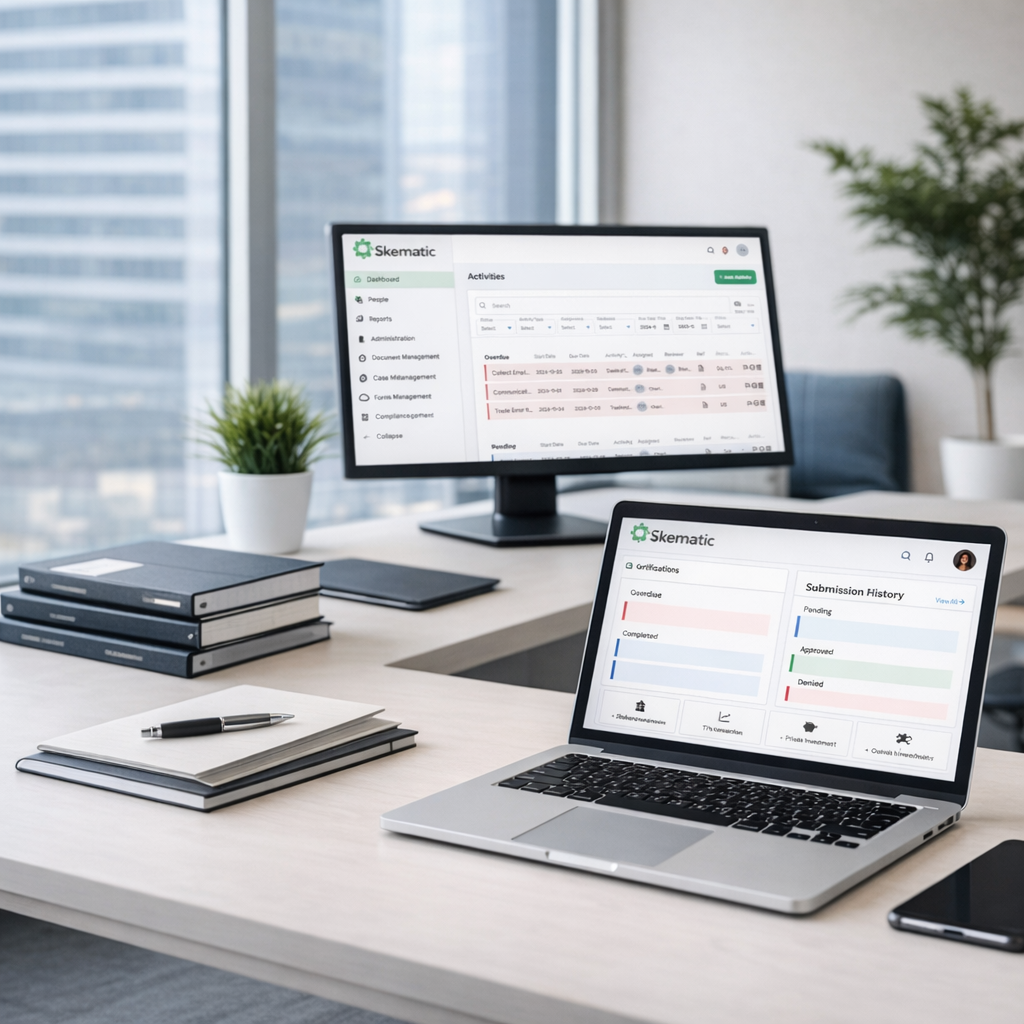
This is the type of evolving risk that modern compliance programs need to handle. Managing prediction markets compliance requires more than a policy update. It involves linking that policy to employee attestations, capturing disclosures, and maintaining a record of how the firm reviews and oversees activity. That is where a connected system matters. Being able to tie policies, workflows, and employee activity together is what turns a requirement into a defensible program.